About me
For a long time, I thought I was doing what I wanted. Only later did I become honest enough with myself to admit that this was not really the case. Since 10th grade, I wanted to study something with IT. I didn’t give it a second thought. My uncle worked in that field and was successful, I liked computers, phones and video games, so I thought: why not? My family also pushed me in that direction, because it was considered a field with a lot of future. Growing up in Egypt, that was one of the most important things. It was not really about whether you are happy with what you study, or whether it gives you joy and fulfillment. It was about choosing something that gives you stability, perspective and a good income one day.
Even though I went to a German school in Cairo, this way of thinking was very present around me. My parents, especially my father, were very strict about it. So when I once said that I wanted to study something IT related, the decision almost felt set. There was not much space left to imagine something else. Looking back, this is almost funny to me, because it connects directly to questions I explore in The Laptop: Otherwise. The space of possible choices was so limited that I didn’t even realize other options existed. And I didn’t realize that this itself is a form of control. As Foucault describes it, power doesn’t always operate through force or prohibition, it works by structuring the field of possible actions, making certain choices visible and others invisible, until the invisible ones stop feeling like choices at all. For me, the obvious options were IT, engineering, medicine or something similarly “safe”.
When I was 12, my family and I moved to Bratislava. That changed me in many ways, but this mindset became even stronger. When everyone around me started deciding what they wanted to study, almost all the boys chose something STEM-related. It didn’t even feel like a real question whether I could do something else. After I got my international Abitur, I started studying Business Informatics in Vienna. One year later I moved to Berlin, but continued Business Informatics. I didn’t have much real experience with IT prior to my studies. My decision was quite hollow. The more semesters passed, the more I realized that this wasn’t exactly me, not exactly what I wanted to be or do. I think I knew that quite early, but it took me a long time to admit it to myself. Every time the thought came up, I would choke it. Because I had already made my choice. It felt too late to go back. What made it harder was that every time I tried to talk about doubts at home, it was shut down very quickly. The answer was: finish your studies, finish in 6 semesters. So I did. But at the same time, I was secretly trying to find myself.
The five years I have lived in Berlin changed me a lot. I became more honest with myself and more willing to ask what I actually want from my life. I would be lying if I said that I simply broke free one day, didn’t care anymore and changed my whole path overnight. It wasn’t like that. It was a slow process. A battle between what I really wanted and my fears, doubts and self-questioning. I started becoming more and more interested in design. I read books like The Design of Everyday Things. I started my Masters in Media Informatics and looked for jobs that were closer to the design side of IT. I became a UI/UX designer. At first, I was satisfied, or maybe I wanted to be satisfied, because it felt like an easy way out: still close to IT, but more creative and more visual. Don’t get me wrong, I do enjoy my Media Informatics studies, especially because I focused more on human-machine interaction, the psychology behind interfaces, interaction, design and media. But I still had the feeling that I wanted to try something else. Something where I could explore more freely.
Actually, I wanted to apply to this program last year already, but I was too anxious and too unsure to make that step. I was afraid of moving completely away from the typical IT path and field. I didn’t know if I was creative enough, whether I had enough to say, or whether I could really belong in a field like this. But the wish didn’t disappear. I have many friends who study product design, art, costume design and other creative fields, and I always admired them for the way they work and think. At some point I realized that I didn’t only admire it from the outside. I wanted to do something like that myself.
So I just started. I knew that products, building things with my own hands and conceptualizing objects fascinated me. I also knew that I really enjoy speculating, talking about possible futures and asking “What if?” questions. This is how I became interested in speculative design. I got the book Speculative Everything by Dunne and Raby, started reading it, and it really got me going. I felt very inspired by the idea that design doesn’t only have to solve practical problems or follow aesthetic goals. It can also explore the boundaries of what is possible. It can create conceptual ideas and practical fictions. It can ask: What might be possible if certain assumptions or constraints were removed? What kind of world does an object suggest? What does a design reveal about the world we already live in? I remember sitting in the TU library reading, taking notes and writing down ideas. I felt like I was in a tunnel for an unknown amount of time. That was when I knew that this was something I wanted to pursue. I never had that kind of enthusiasm for Business Informatics.
Then I started working on my own projects, and I felt even more inspired. Projects like The Laptop: Otherwise came out of that. In this project, I tried to bring my knowledge from Media Informatics and human-machine interaction into a more speculative and critical design context. As someone with a background in Media Informatics and UX, I am interested in how people interact with devices and how devices shape people in return. The main idea was to look at the laptop not only as a tool, but as an object that shapes how people work, think and behave. What does the laptop expect from us? What ideology is built into its form? What could a laptop become if productivity was no longer its main driver? This is something I would definitely like to explore further in my studies. I would love to conceptualize and build things, not only render them. At the same time, I don’t want to stay only within IT. I want to use my technical and media-oriented background, but also move beyond it. I want to break open the field for myself and explore social, cultural, political, and personal questions through design.
This became especially clear in my project on عيش / Bread. It was very personal to me, because it allowed me to return to my own background through research and design. I was born in Egypt, moved away as a child, lived in Slovakia and later in Germany. Because of that, I often have this ambivalent feeling of not fully knowing where I belong. For a long time, I also had many negative feelings towards my home country, which I am now trying to understand and resolve. Working on the عيش / Bread project helped me reconnect with Egypt in a different way. It made me realize that design and research can also be a way to understand where I come from and who I am. Through that I realized that I have a lot to say about my experiences in Egypt as a child, but also about my youth in Slovakia, where I had many mixed experiences. These are topics I would like to explore more deeply. Memory, migration, language, identity, belonging and political history are not abstract topics for me. They are connected to my life.
In general, the topics of my projects all come from the same place: questions that interest or bother me, things I think about in daily life, things I notice and can’t really let go of. My media lectures and seminars about society, media use and the political landscape inspired me a lot. There is so much interesting research in that field that could be visualized, analyzed and conceptualized. But I also think that many ordinary things become interesting if one simply opens their eyes and looks closely.
Even something like trash lying in the streets of Neukölln, where I live, could become a starting point. Why is it there? What systems produce it? What does it say about socio-economic structures, care, neglect, responsibility or urban life? Is there a speculative idea that could make this visible? I like this way of looking at the world. It makes design feel like a way of paying attention.
Design and Computation seems like the right choice for me because it brings together the areas I care most about: technology, design, research, society, media and critical imagination. I like the idea of exploring questions that concern us as a society and finding ways to give them form through research and design. I don’t only want to write about these topics in a traditional academic way. I want to visualize them, build them, make them accessible, and create objects or interfaces that allow people to feel and question them.
While working on my projects, I also enjoyed coding with HTML, CSS and JavaScript in a way I had not experienced before. The code wasn’t just technical. It had meaning. It was part of something I wanted to say. It had a reason behind it that I could stand for. That made me realize that computation can be more than functionality. It can become part of a critical and expressive practice.
I would love to be part of this study program because I feel ready now. The path to this decision wasn’t easy. It took time, doubt and a lot of self-questioning. But now I know that I want to explore more freely. I want to build, research, question and create. I want to understand myself and the world better through design. And I want to make work that is not only visually interesting, but also meaningful, critical and connected to the realities we live in.
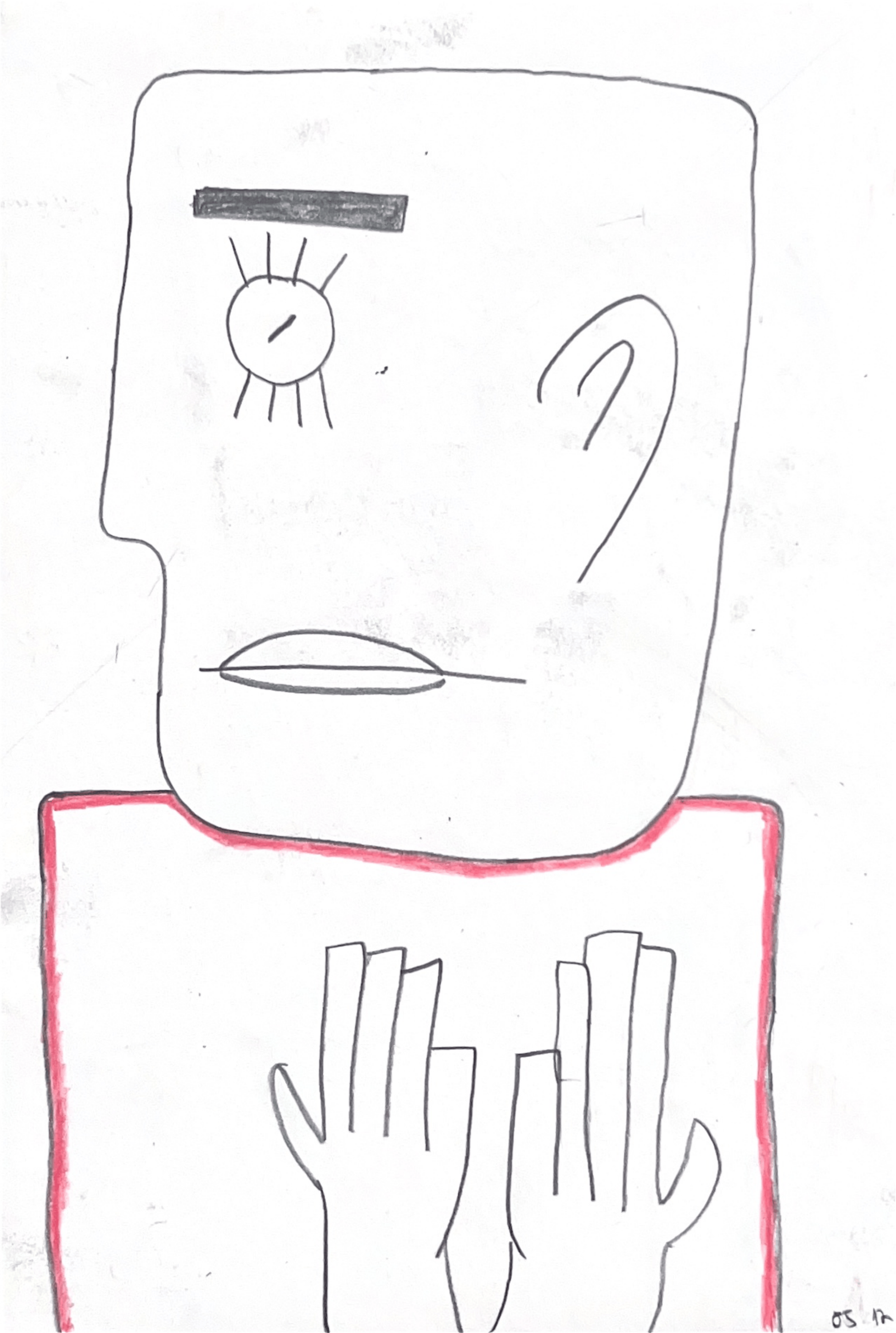
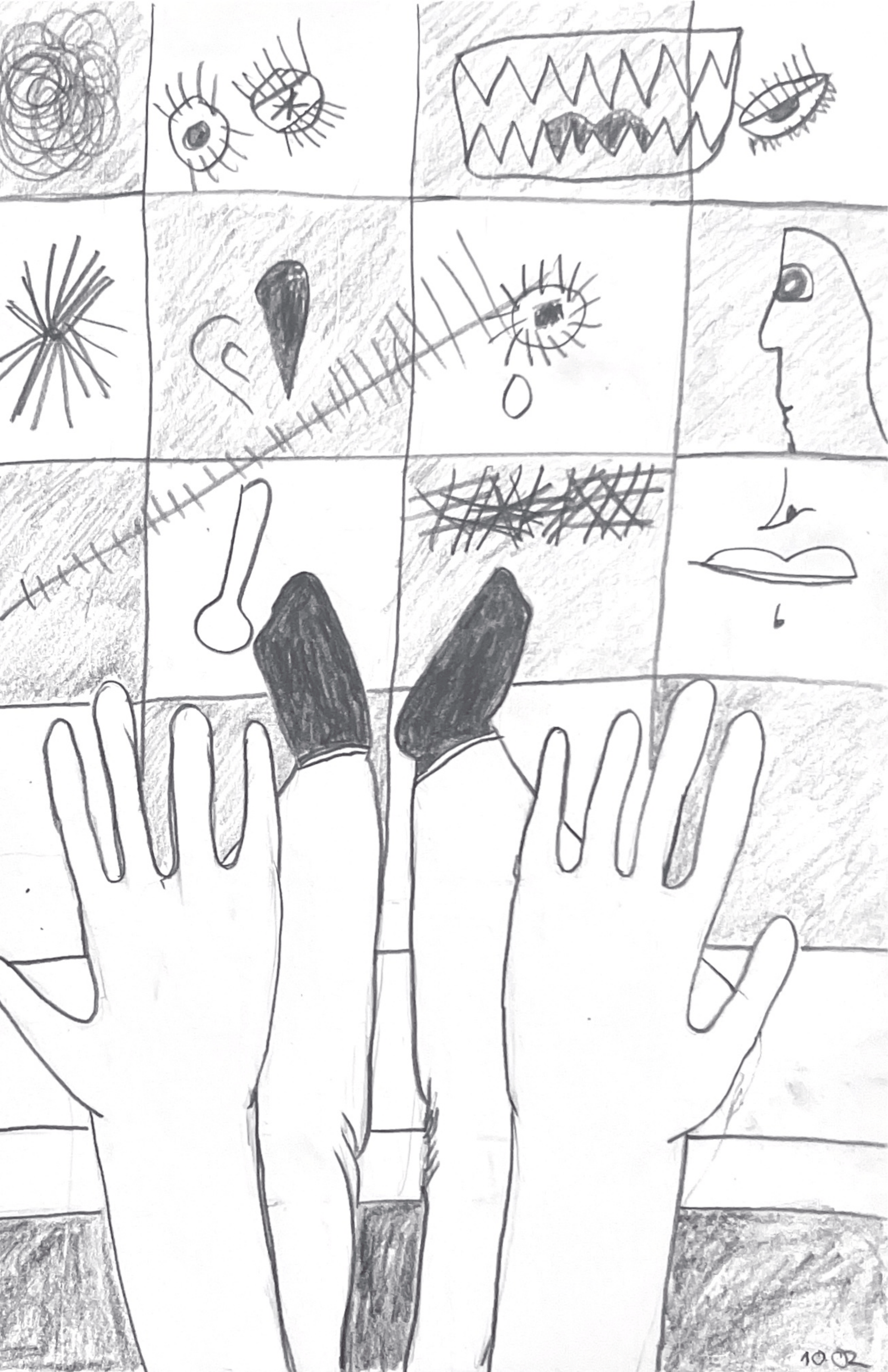
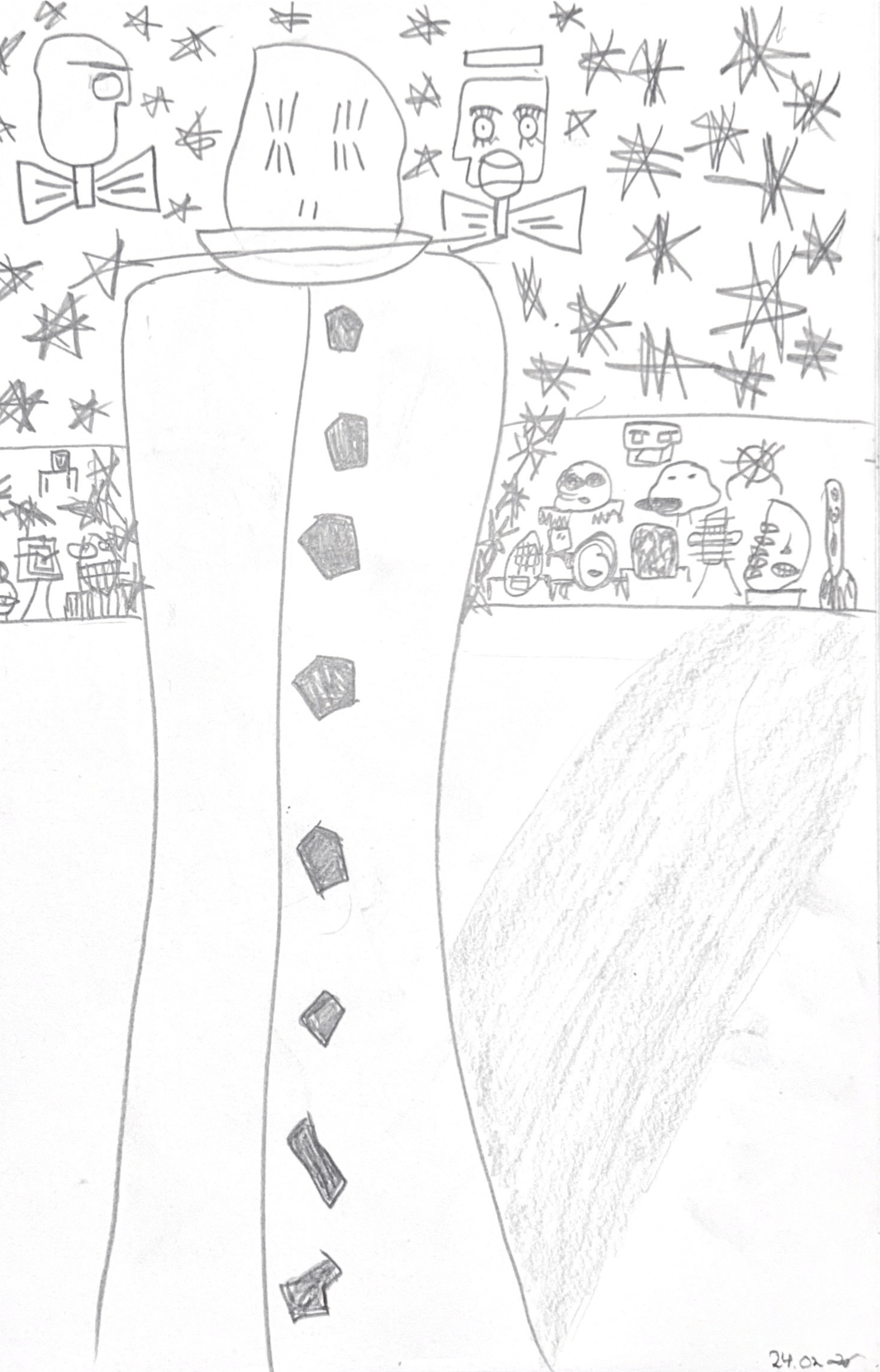
Hands, for me, are about control. Having it. Losing it. Wanting it back.